

Discover the Hidden Treasures of Trincomalee: A Coastal Paradise
- Nishantha Weragoda
- Mar 12
- 4 min read
Trincomalee, located on the northeastern coast of Sri Lanka, offers a unique blend of natural beauty, rich history, and vibrant culture. This coastal town remains less explored compared to other tourist hotspots, making it a perfect destination for travelers seeking tranquility and authentic experiences. From pristine beaches to ancient temples, Trincomalee holds many hidden treasures waiting to be discovered.

The Allure of Trincomalee’s Beaches
Trincomalee is famous for its stunning beaches that offer calm waters and soft sands. Unlike crowded tourist beaches elsewhere, these shores provide peaceful retreats where visitors can relax or engage in water activities.
Nilaveli Beach: Known for its long stretch of white sand and clear waters, Nilaveli is ideal for swimming and snorkeling. The coral reefs nearby host diverse marine life, making it a favorite spot for underwater exploration.
Uppuveli Beach: Located close to Nilaveli, Uppuveli offers a quieter atmosphere with fewer tourists. It’s perfect for those who want to enjoy a serene beach day or take a leisurely walk along the shore.
Marble Beach: A hidden gem, Marble Beach is less accessible but rewards visitors with untouched beauty and excellent snorkeling opportunities.
These beaches are not only scenic but also important nesting grounds for sea turtles, adding an element of wildlife conservation to your visit.
Exploring Trincomalee’s Historical Sites
Trincomalee’s history spans centuries, reflected in its ancient temples and colonial landmarks. Exploring these sites provides insight into the region’s cultural and religious significance.
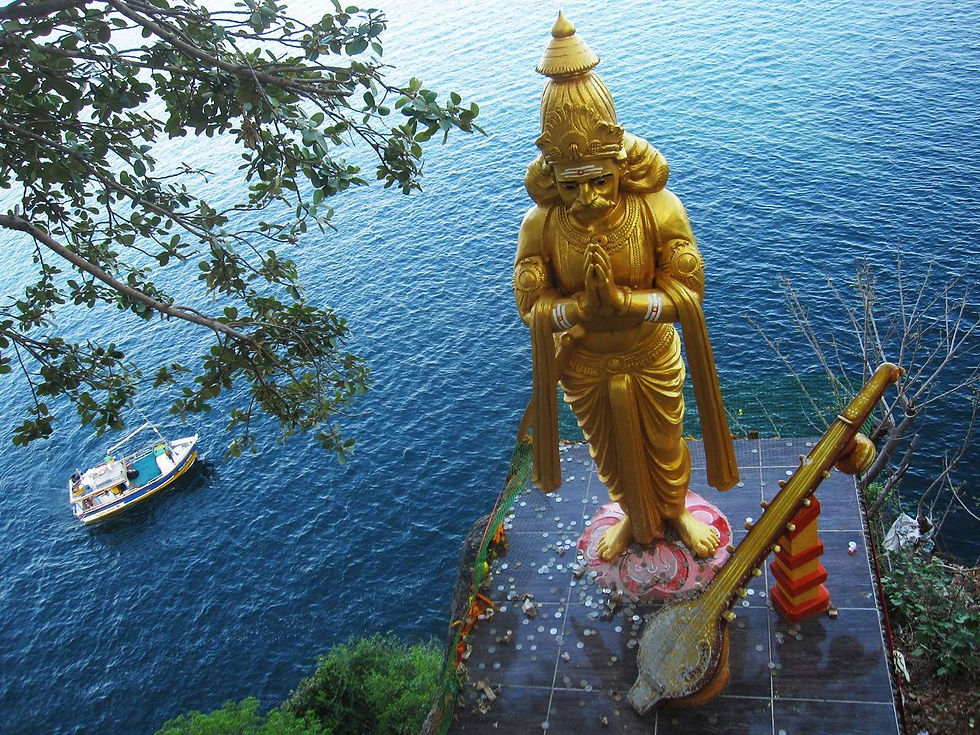
Koneswaram Temple: Perched on Swami Rock overlooking the sea, this Hindu temple dates back over 2,000 years. It is dedicated to Lord Shiva and is a major pilgrimage site. The temple’s cliffside location offers breathtaking views of the ocean and the town below.
Fort Frederick: Built by the Portuguese in the early 17th century and later expanded by the Dutch and British, this fort stands as a reminder of Trincomalee’s strategic importance. Visitors can walk along the ramparts and explore the old cannons and barracks.
Buddhist Viharas: Several ancient Buddhist temples and caves are scattered around Trincomalee, showcasing the coexistence of different religions in the area.
Visiting these sites allows travelers to connect with the local heritage and appreciate the diverse cultural influences that shaped Trincomalee.
Marine Life and Diving Adventures
Trincomalee’s coastal waters are rich in marine biodiversity, making it a hotspot for diving and snorkeling enthusiasts.
Pigeon Island National Park: Just off the coast near Nilaveli, this marine park is home to vibrant coral reefs and a variety of fish species. Snorkelers can swim alongside colorful tropical fish and spot sea turtles.
Diving Spots: Several dive centers offer guided trips to explore underwater caves, coral gardens, and shipwrecks. The clear visibility and warm waters create ideal conditions for both beginners and experienced divers.
Whale Watching: Between February and April, visitors can join boat tours to see blue whales and dolphins in their natural habitat.
These activities provide unforgettable experiences and highlight the ecological importance of Trincomalee’s marine environment.
Local Cuisine and Cultural Experiences
Trincomalee’s food scene reflects its coastal location and multicultural population. Sampling local dishes is a must for any visitor.
Seafood Delights: Fresh fish, prawns, and crabs are staples. Try dishes like spicy crab curry, grilled fish, and prawn masala, often prepared with coconut milk and local spices.
Traditional Tamil and Sinhala Cuisine: Alongside seafood, you’ll find rice and curry plates featuring vegetables, lentils, and meat. Street food stalls offer snacks like vadai and samosas.
Cultural Festivals: Time your visit to coincide with local festivals such as the Koneswaram Temple festival, which includes colorful processions, music, and dance performances.
Engaging with the local culture through food and festivities enriches the travel experience and supports the community.
Practical Tips for Visiting Trincomalee
Planning your trip carefully can help you make the most of your time in Trincomalee.
Best Time to Visit: The dry season from May to September offers pleasant weather and calm seas.
Getting There: Trincomalee is accessible by road and rail from major cities like Colombo and Kandy. The nearest airport is in Trincomalee itself, with limited domestic flights.
Accommodation: Options range from budget guesthouses to mid-range hotels and beachfront resorts. Booking in advance is recommended during peak season.
Local Transport: Tuk-tuks and rental scooters are common ways to get around town and nearby attractions.
Safety and Health: The area is generally safe for tourists. Use sunscreen, stay hydrated, and follow local guidelines when swimming or diving.
These tips ensure a smooth and enjoyable visit to this coastal paradise.
Nature Walks and Nearby Attractions
Beyond the beaches and historical sites, Trincomalee offers natural beauty inland and nearby.
Kanniya Hot Springs: A group of seven hot springs believed to have healing properties. Visitors can bathe in the warm waters surrounded by lush greenery.
Local Villages: Exploring nearby fishing villages provides a glimpse into traditional coastal life and opportunities to buy handmade crafts.
These experiences add variety to your itinerary and deepen your connection with the region.


Comments